Sound dampening can be unsettling, often making you feel isolated from the world around you. Many people instinctively fear they’re experiencing irreversible hearing loss when, in reality, the culprit may be something much simpler: earwax buildup.
Recognizing how to identify these differences guarantees you obtain the appropriate care, whether that is safe cerumen extraction or a diagnostic hearing test. Try not to fret if your hearing feels suddenly reduced. While only a clinician can confirm the cause, understanding these essential markers of earwax vs. auditory decline can provide instant insight.
How to Recognize a Cerumen Impaction
Cerumen (wax) is a natural, protective substance that helps capture dirt and debris and keeps the ear canal healthy. Medical issues only develop when the wax fails to migrate out of the ear, leading to a significant accumulation or blockage.
Frequent indicators of earwax buildup include:
- A noticeable decrease in hearing level
- The perception that there is a mechanical plug in the canal
- Physical sensitivity or focused aching in the ear
- Constant humming or hissing sounds
- Auditory sharpness that changes or improves briefly with chewing
A hallmark of blockage-based sound fluctuations is asymmetry, usually impacting one side more than the other. The positive aspect is that professional removal typically ends in an instant restoration of your natural hearing levels.
What Hearing Loss Feels Like
Auditory decline, particularly presbycusis or trauma-based hearing loss, has a tendency to develop gradually and doesn’t improve when the canal is cleared.
Standard symptoms of clinical hearing impairment include:
- Challenges with speech intelligibility in crowded or noisy settings
- Frequently asking people to restate themselves
- A habit to boost audio output significantly to compensate for hearing loss
- Trouble hearing high-pitched sounds
- Bilateral hearing shifts that impact both ears at once
Crucially, hearing impairment is an intelligibility issue that seldom includes the perception of manual pressure found with cerumen.
At-a-Glance: Cerumen vs. Auditory Decline
By looking at the onset and particular symptoms, you can often determine which condition is impacting you:
- Onset: Earwax issues often appear suddenly; hearing loss progresses gradually
- Sustainability: Obstructions are a fast fix, while nerve loss needs long-term management
- Sensations: Physical “plugging” points to cerumen, while the inability to differentiate sounds points to impairment
- Ear Balance: Unilateral dull sound suggests wax, while both sides point to hearing loss
Why You Shouldn’t Treat Yourself
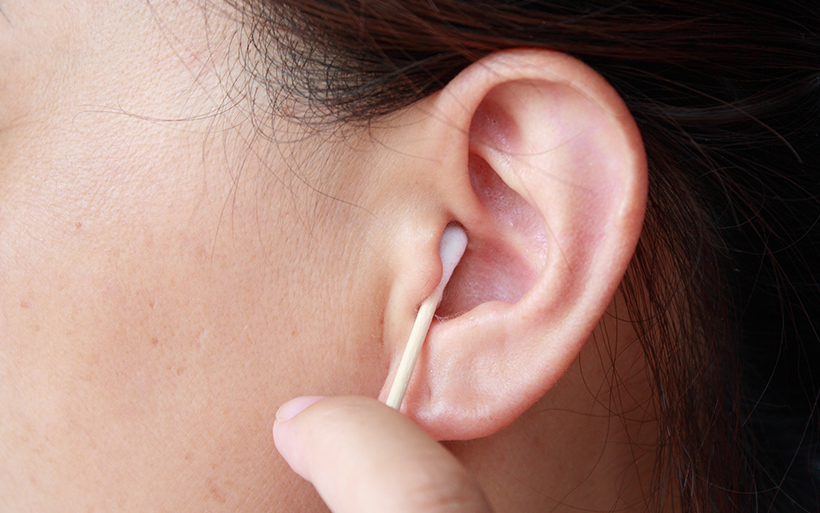
When auditory input feels dampened, the natural desire is to use a Q-tip, but this is often a hazardous move. Using external items typically shoves the obstruction deeper into the ear, increasing the danger of injury.
Health specialists caution that inserting anything smaller than your finger in your ear can result in eardrum rupture and major clogging.
Delaying a clinical check-up for actual hearing loss can result in losing out on treatments that shield your future mental and communal health.
The Critical Nature of a Professional Otoscopy
A clinician can employ an earlight to immediately see if a physical blockage is present.
If cerumen is found, clinical removal often clears signs on the spot.
Should the auditory canal be clear but auditory struggles persist, a hearing test can assess if hearing loss is present and determine its category and severity.
Experts urge an instant hearing check if you begin failing to interact or navigate your surroundings.
Choosing the Correct Path for Better Hearing
Dampened hearing doesn’t always mean permanent damage.
In many cases, earwax buildup is the cause, and it’s extremely treatable.
Your hearing care specialists can help you to find the source of muffled auditory symptoms so you can move forward with assurance and peace of mind.
Ultimately, an expert exam is the only reliable way to differentiate between a temporary obstruction and a lasting shift.
Getting answers promptly can prevent unnecessary worry and guarantee you receive the right care at the optimal moment.
Rather than guessing what is amiss, book a rapid check-up with our audiologists to get the reality.