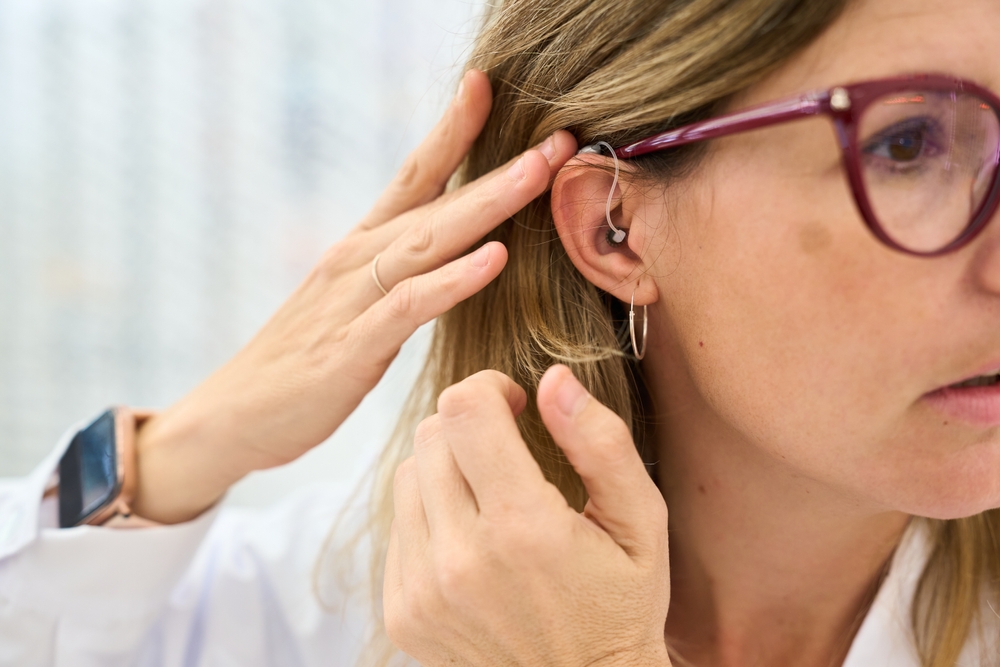
A primary reason individuals put off addressing auditory deficits is the assumption that assistive devices will be unsightly or awkward to wear. This hesitation is entirely valid given historical product designs! In some cases, people even worried that they might be left out of conversation altogether by others who assumed they wouldn’t be able to hear or comprehend.
For many people, this image has stuck, making them hesitant to take the next step. The liberating truth is that twenty-first-century auditory tech offers a level of cosmetic elegance and physical comfort that surprises most patients. Thanks to rapid technological evolution, modern devices are remarkably downsized, highly ergonomic, and exceptionally covert.
If you’ve been putting off treatment because of how hearing aids used to look, it might be time to take a fresh look at what’s available today!
Dispelling the Myth: Modern Devices Have Transcended Older Styles
When asked to visualize a hearing instrument, the average person still envisions an awkward, highly conspicuous piece of hardware visible from yards away. If that’s the case, you’re thinking about hearing aids circa the 1980s and ’90s.
In the intervening decades, the entire field of otolaryngology and acoustic engineering has undergone a massive paradigm shift. Unprecedented breakthroughs in microchip architecture, material sciences, and digital signal processing have utterly revolutionized modern aesthetics. Current product lines are incredibly compact, architecturally clean, and purpose-built to harmonize with your features or sit entirely out of sight.
Numerous modern instruments are inserted completely within the ear canal structure, rendering them undetectable throughout standard daily dialogue. Alternative styles occupy a tiny footprint behind the pinna, utilizing ultra-light materials and customizable color palettes to match hair or skin tones perfectly.
Understanding Your Options: A Guide to Contemporary Device Form Factors
For those investigating what these advanced acoustic tools look like in real life, consider this straightforward guide:
Invisible-in-Canal (IIC) Technology
These are as discreet as it gets. IIC devices sit completely inside the ear canal and are custom-made to fit your ear. When engaging with others at standard social distances, these units are utterly unnoticeable to the naked eye. They represent an ideal intervention path for mild-to-moderate hearing impairments when user stealth is the top priority.
Modern Standards: Receiver-in-Canal (RIC) / Receiver-in-the-Ear (RITE)
This architecture stands as the most frequently prescribed configuration in modern clinical practice. A micro-housing rests behind the upper pinna, transferring processed sound via an ultra-fine, translucent micro-wire to an acoustic driver nestled inside the canal. To onlookers, this streamlined design closely mirrors fashionable consumer electronics or sports earbuds. Most people won’t notice them unless they’re looking.
Traditional Behind-the-Ear (BTE) Reimagined
While these models house all electronic components within a casing resting behind the pinna, their dimensions are drastically reduced compared to legacy models. Frequently utilized to remediate severe-to-profound auditory loss, they maximize gain and processing capability while maintaining a highly professional, low-profile aesthetic.
The fundamental lesson is clear: current acoustic technology is engineered to integrate seamlessly into your personal lifestyle, never to advertise an impairment.
Advanced Features: Beyond Aesthetics to Smart Technology Integration
The recent metamorphosis of hearing instruments extends far beyond mere cosmetic downsizing. In the current era, these processors operate like sophisticated wearable computers rather than simple analog sound amplifiers. Many connect directly to your phone via Bluetooth, letting you stream calls, music, or even TV audio straight to your ears with no headphones needed.
Most come with smartphone apps, so you can adjust volume or switch settings without ever touching the device. If you enter a chaotic, crowded room, you can optimize your digital noise reduction settings to isolate speech within seconds. Convenient overnight charging systems have permanently replaced the tiny disposable batteries that patients traditionally struggled to replace. Just place them on a charger overnight, like your phone.
Getting Over the Fear and Stigma of Hearing Devices
Despite understanding these technological quantum leaps, psychological resistance remains highly common. Exploring hearing aid options can be challenging on a mental and emotional level because it’s an admission that our hearing isn’t what it used to be. This realization can occasionally induce feelings of helplessness, leaving patients feeling detached from their own physical autonomy.
Consider a healthier perspective: wearing a contemporary hearing system does not mean your body has failed you. They’re simply a sign of change, which happens to us all. Adopting this tech is definitive proof that you are actively taking charge of your health to empower and protect your daily cognitive function.
Consider the profound joy of wearing a tiny, unnoticeable device that lets you confidently command group discussions, master noisy environments, and immerse yourself in what matters most. That level of sensory restoration is incredibly liberating!
Experience Contemporary Hearing Technology Firsthand
The quickest way to erase your grandfather’s mental model is to physically interact with twenty-first-century hearing tech. We invite you to come in, ask questions, and explore your options with no pressure and no commitment necessary. Think of your visit as an educational open-house to experience the lightweight engineering of modern hearing instruments firsthand.
Most people leave surprised by how small, comfortable, and natural modern hearing aids have become! Call our office to schedule your visit online today.