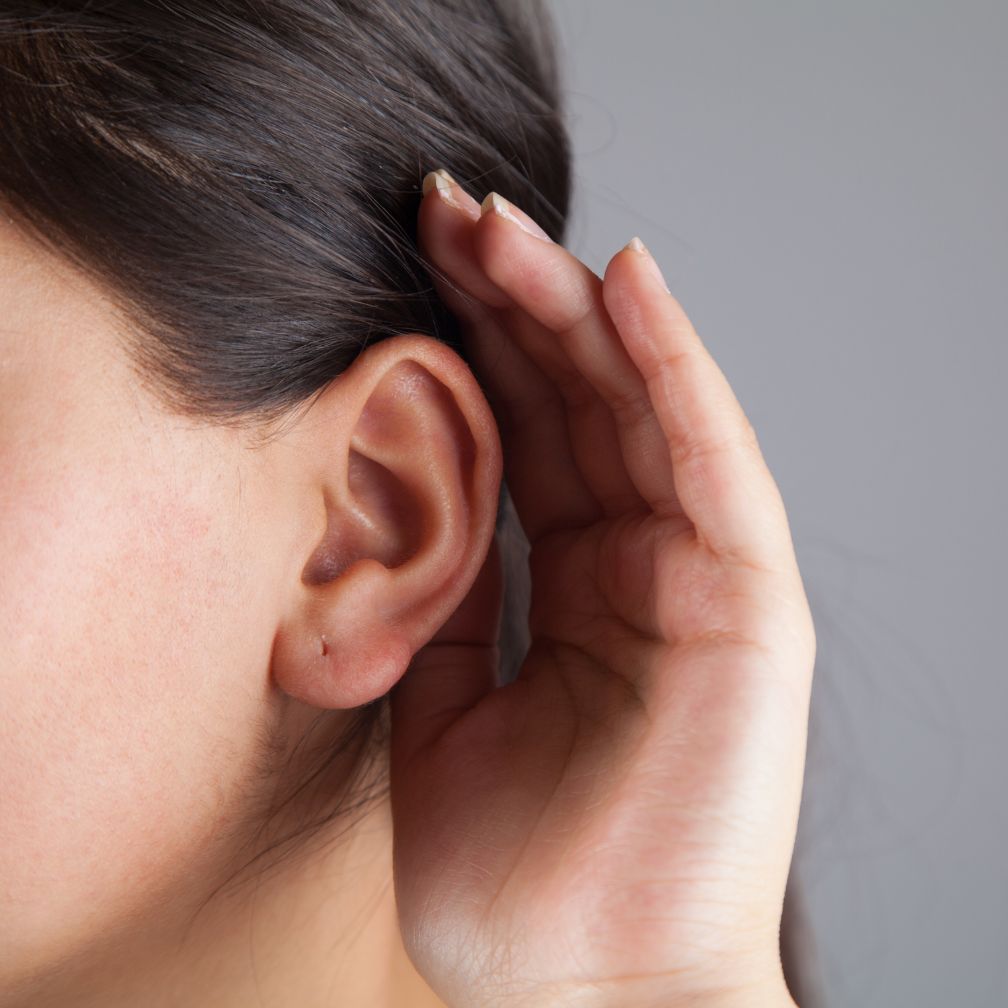
What’s that strange noise that kind of sounds like white noise, or wind in your ears? Why can’t anyone else hear it? It’s not your imagination.
Happily, you are likely not suffering from “phantom ring syndrome,” a modern behavioral manifestation where excessive cellular device users falsely perceive incoming calls, vibrations, or alerts.
Instead, these persistent acoustic distortions are classic indicators of clinical tinnitus. To be perfectly clear, the frequency you are tracking is completely real, and specific environmental factors can actively exacerbate your tinnitus.
Even with this internal hum, your ears retain the capacity to process active human speech. Rather, it simply feels as though an unwanted layer of acoustic static has been artificially superimposed over your entire auditory field.
In this guide, we will investigate the neurological origins of this static, define its pathology, and explore proven methods to minimize or eliminate its impact.
Understanding Tinnitus: The Mechanics Behind Internal Head Static
Physiologically, tinnitus typically serves as an early clinical warning sign of underlying hearing loss. It is uniquely defined by a steady or variable acoustic signal that registers on top of everyday conversations. Depending on individual pathology, this subjective sound can remain mild enough to ignore during active hours. Alternatively, you might find yourself battling an intense presentation where the constant roar leaves you feeling completely helpless and desperate for relief.
Chances are, you have struggled to communicate the reality of your symptoms to loved ones, as this invisible impairment is nearly impossible to comprehend without personal experience.
How can this humming noise in my head not be there? The invisible nature of the noise frequently forces individuals to question whether the symptom is purely psychological. How can an invisible sound wave cause such a profound barrier when you are trying to comprehend spoken language from family members? Or leave you tossing and turning for hours, totally unable to secure standard nighttime rest?
The Quiet Room Trap: How Inactivity Highlights Internal Buzzing
You’ve probably noticed that the quieter it is, the worse your tinnitus gets. That’s because the noise you hear in your ears does not have to compete with any other sounds – for example, most people keep their bedrooms completely silent while they sleep at night. They choose to run no active entertainment devices, omit music, and enforce a strict policy of zero structural sound. If you combine a silent room with late-night introspection, the moment your awareness drifts to the localized humming, it transforms into an inescapable focus point that artificially amplifies the distress. Regardless of whether your specific symptoms involve low-frequency hums or high-pitched squeals, a perfectly silent evening environment provides the ideal clinical conditions for tinnitus to dominate your focus.
Differentiating Your Symptoms: Is a Rushing Wind Sound Actually Tinnitus?
While explaining the condition to normal-hearing peers is a major hurdle, comparing notes with another person who has tinnitus can create unexpected doubt. They may be experiencing very different symptoms than your own, which might lead you to think that what you have isn’t tinnitus at all.
But chances are, it is. That’s because tinnitus takes many forms and sounds different to different people. Common clinical presentations involve consistently tracking frequencies that mimic:
- A continuous blanket of high-frequency digital static
- A resonant, steady internal humming tone
- The constant drone of a swarm-like buzzing noise
- Ringing
- Thumping
- The unchanging pitch of a legacy phone line dial tone
With rare exceptions, this internal static is entirely subjective, meaning no outside observer can measure or perceive the sound. Consequently, if you request that your family doctor physically verify the noise during an office visit, they lack the tools to do so. Out of medical necessity, your healthcare provider must rely entirely on your subjective self-reporting to establish the history.
Unfortunately, this clinical gap frequently leaves patients feeling misunderstood or dismissed by general practitioners who lack dedicated training in audiological medicine.
Sharing his experience, a steelworker named Thomas noted: ‘When the internal ear static first became chronic, I sought help from my primary care provider. While the doctor did state that it might be tinnitus, he didn’t really seem to understand how debilitating the noise was. He brushed off the symptom as though it lacked any real physical impact on my life. He seemed to think I could just ignore it and really didn’t offer any solutions.”
Speaking with a specialist can help solve this problem and can help identify solutions. Remarkably, the precise texture and rhythm of your subjective audio can yield critical clues that direct the specialist toward the right therapy.
Investigating Vascular Variations: Rushing and Whooshing Frequencies
What makes it even harder to describe this noise to a doctor is the fact that there are so many different ways tinnitus can manifest itself. To specify, if you track a distinct whooshing, rushing, or heavy thumping rhythm that locks perfectly in sync with your cardiovascular heartbeat, you are likely presenting with a specialized variant known as pulsatile tinnitus.
Fortunately, pulsatile tinnitus often yields a much higher cure rate than standard subjective tinnitus because it typically originates from identifiable structural health conditions, such as systemic hypertension or localized arterial narrowing.
That whooshing sound can also be brought on by the flow of blood through narrow veins in your head, which is called a bruit. Securing an immediate, thorough diagnostic evaluation for this pattern is vital; in rare instances, this vascular turbulence serves as an early indicator of an impending neurological crisis or ischemic stroke, both of which are life-threatening events.
Sometimes hearing specialists can hear that buzzing noise, too
Make no mistake: tinnitus is a highly disruptive, legitimate medical disorder that inflicts significant stress on a patient’s routine. Although regular ringing escapes external tracking, unique objective cases allow an ear specialist to leverage diagnostic listening tubes to physically capture the precise internal sound passing through your tissue. Keep in mind, however, that this physical verification is strictly limited to the pulsatile subtype, which represents a small fraction of overall global tinnitus diagnoses.
How did I get tinnitus? What caused this humming noise in my head?
The most common cause of tinnitus is a loud noise that you were exposed to over a period of time. It’s very common among musicians and other people who spend a lot of time around loud music, as well as several other professions where workers are exposed to loud noises day in and day out for long periods.
Several specific employment sectors generate high enough decibel baselines to directly induce permanent tinnitus, including:
- Industrial Manufacturing – Spending an eight-hour shift surrounded by heavy mechanical equipment inflicts severe, cumulative strain on your delicate auditory architecture. Compounding the physical decibel load, industrial environments are inherently high-stress, a psychological variable that actively accelerates and worsens central tinnitus perception. For instance, operators positioned near a pneumatic riveter face extreme hazards, as these tools blast over 125 decibels—a threshold capable of inducing instant, irreversible cochlear death and violent tinnitus.}
- Modern Farming – The primary danger on a homestead isn’t the livestock. While a nearby rooster can hit 90 decibels, the mechanical components of modern farming pose a much greater threat to your long-term hearing health. High-horsepower tractors, massive combines, heavy harvesters, and high-pressure milking pumps all emit continuous, dangerous decibel levels. Furthermore, basic estate upkeep can damage your ears; a standard consumer table saw outputs more than 85 decibels, which actively destroys hearing tissue through prolonged exposure.}
- Pilot – A jet engine is a staggering 140 decibels, even if you’re 100 feet away. While pilots do tend to wear ear protection, they’re often right next to these engines in smaller crafts. There’s no ear protection strong enough to protect them against this constant exposure, so all those hours spent in the air getting their pilot’s licenses are also causing them to slowly lose their hearing.}
- Motorcyclists and First Responders – Spending forty hours a week operating a high-performance motorcycle exposes your ears to severe engine rumble and punishing wind drag, a combination that guarantees the development of chronic tinnitus and gradual hearing loss. This same physiological damage occurs through the regular use of snowmobiles or watercraft, though most people only experience these noisy machines during weekend recreation rather than their daily job.}
- Bartenders and Service Staff – Trying to hear a customer call out an order over a crowded bar requires immense concentration from your brain’s processing centers. The background music in entertainment venues is frequently pushed to dangerous decibel levels, making it impossible to hear a person standing directly in front of you and forcing your ears to strain constantly against the noise. When the lounge features a live musical act or a club DJ, your hearing paths sustain identical structural wear to the performers on stage.}
In each of these scenarios, the primary cause is the mechanical destruction of the tiny hair cells housed inside your internal ear labyrinth due to relentless noise. These delicate cellular structures are responsible for converting physical sound vibrations into electrical signals that the brain can decode into meaningful language. The critical issue is that these auditory hair cells cannot replicate or heal once they have been crushed by noise, resulting in lifelong hearing distortions and chronic tinnitus.
Everyday Variables That Can Cause Your Ear Ringing to Flare
In addition to primary acoustic trauma, a variety of systemic health issues and lifestyle habits can actively amplify the baseline static in your ears.
- Anxiety and Depression – Both of these emotional conditions establish a highly destructive psychosomatic cycle. As your daily anxiety or depressive symptoms flare up, your internal head static becomes significantly more intense, which naturally causes your mental health to deteriorate further.}
- Not Listening to Your Ears – Your ears become uncomfortable when sound is too loud. Don’t just grin and bear it – take care of your ears, because they’re the only ones you’ve got.}
- High Blood Pressure – Letting your blood pressure get out of control may cut the oxygen off to your inner ear. This may not only make it worse in the short term, but it can increase the damage to your hearing over time.}
- Smoking – That antsy feeling that you get in between cigarettes can worsen symptoms. While the answer may seem like you should have another cigarette, this is only making it worse the longer you smoke because of the impact smoking has on your cardiovascular system.}
- Specific Foods – Many individuals discover that daily caffeine intake and common sugar substitutes serve as direct agitators for their ear static. By keeping a meticulous food journal, you can cross-reference what you consume with the loudness of your symptoms to pinpoint exactly which items are worsening your condition.}
- Toxic Relationships – Spending time around highly negative or stressful individuals can actively exacerbate your tinnitus by driving up your blood pressure, anxiety, and depression. You must critically evaluate relationships that introduce chronic emotional friction, deciding if those interactions are worth sacrificing your physical hearing health. Keep in mind that while you possess zero power to alter another person’s personality, you retain full authority to limit your exposure to them.}
- Pregnancy – About a third of pregnant women experience tinnitus symptoms, which are often brought on by changes in their hormones and blood pressure, among other reasons.}
- Cerumen Impaction – When old earwax migrates deep into the canal and impacts against the delicate eardrum, it can create a variety of unusual, scraping noises. Having that material safely extracted by a medical professional can completely stop the ear ringing on the spot.}
- Medications and Over-the-Counter Drugs – Certain prescription opiates, specialized antibiotics, high-dose diuretics, oncology drugs, and routine retail pain relievers possess well-known ototoxic properties that trigger or worsen tinnitus. You should actively discuss your medication list with an ear specialist and your general doctor to discover safer alternatives and mitigate these side effects.}
What Treatments Actually Work? Navigating Your Rehabilitation Choices
If you suspect an underlying systemic pathology is driving your symptoms, consult with your managing physician immediately. Certain diseases will actively escalate the loudness of your symptoms, with clinical anxiety and high blood pressure being prime examples.
Following the successful treatment of any underlying physical diseases, you can pivot to advanced symptom-management strategies. Effective clinical avenues for suppressing the noise include:
- Holistic Stress Reduction – Committing to structured meditation, therapeutic yoga, or dedicated breathing routines helps calm an overactive sympathetic nervous system. Learning to manage mental strain naturally without reliance on alcohol or pharmaceuticals is a skill rarely taught in traditional settings. However, incorporating these behavioral techniques is highly recommended, as they deliver measurable, long-term relief from internal head noise.}
- Ambient Sound Conditioning – Implementing a bedside white noise generator can supply immediate comfort when you are trying to fall asleep. It is critically important that you never attempt to blast past the internal hum using tight headphones or loud music blocks. Doing so will only inflict further trauma on your stereocilia, driving up the baseline volume of your tinnitus over the long term.}
- Advanced Sound-Conditioning Hearing Aids – Modern digital hearing instruments can be specifically calibrated to neutralize your phantom frequencies. Current audiological devices feature sophisticated, integrated tinnitus mitigation algorithms as a standard option. During your personalized fitting session, an expert can program the device to emit an individualized counter-frequency that effectively cancels your specific ringing tone.}
- Acoustic Neuromodulation – This clinical technique focuses on retraining your brain’s auditory processing centers to filter out the phantom noise. By introducing a gentle sound layer that matches your personal tinnitus profile, a specialist can desensitize your neural pathways. This process successfully coaches your mind to ignore the internal loop and prioritize real-world sounds, like conversations with family.}
- Cognitive Behavioral Therapy (CBT). This is a technique used by mental health professionals to undo harmful habits. If you obsess about negative news or life events you can’t control, CBT can help. It will retrain you to focus on the positive and where you do have the power to change things. This helps reduce stress.}
The Reality of White Noise Therapy: Management vs. Cure
You are likely familiar with the old adage of fighting fire with fire, but can you successfully neutralize subjective white noise with environmental white noise? Data from a recent medical study in the UK confirmed that although white noise sound conditioners help patients manage their symptoms, maximum relief requires pairing the audio with targeted medical counseling.
The honest clinical reality is that a permanent cure for this condition has not been discovered, meaning our medical goals focus on deploying specialized treatments to help you control and cope with the condition.
What should be your primary line of defense when dealing with chronic head static? Most importantly, you should get your hearing tested. This essential baseline test will reveal exactly how much the internal static is degrading your word recognition score and speech comprehension during daily conversation. Once your baseline numbers are established, you can safely evaluate cutting-edge therapeutic protocols with a team of trusted local experts.
Audio Illusions: Explaining Phantom Melodies and Speech in Background Noise
If you are perceiving distinct melodies or spoken words within raw static, you are likely dealing with a phenomenon separate from standard tinnitus. And don’t worry, it’s probably not a form of schizophrenia or other psychiatric condition either. Statistically, you are simply experiencing a well-documented neurological effect called Musical Ear Syndrome, pattern-seeking apophenia, or acoustic pareidolia. Your brain’s processing centers are incredibly advanced at pattern recognition, frequently attempting to organize chaotic background sound waves into meaningful signals. Consequently, when confronted with a steady, meaningless hum, your cognitive processing filters can accidentally misinterpret the data. Specifically, audio pareidolia is the precise mechanical process where your brain converts meaningless background static into a structured audio track you remember, like a melodic tune. If there is no noise whatsoever, yet you still hear music, this may be a musical hallucination.