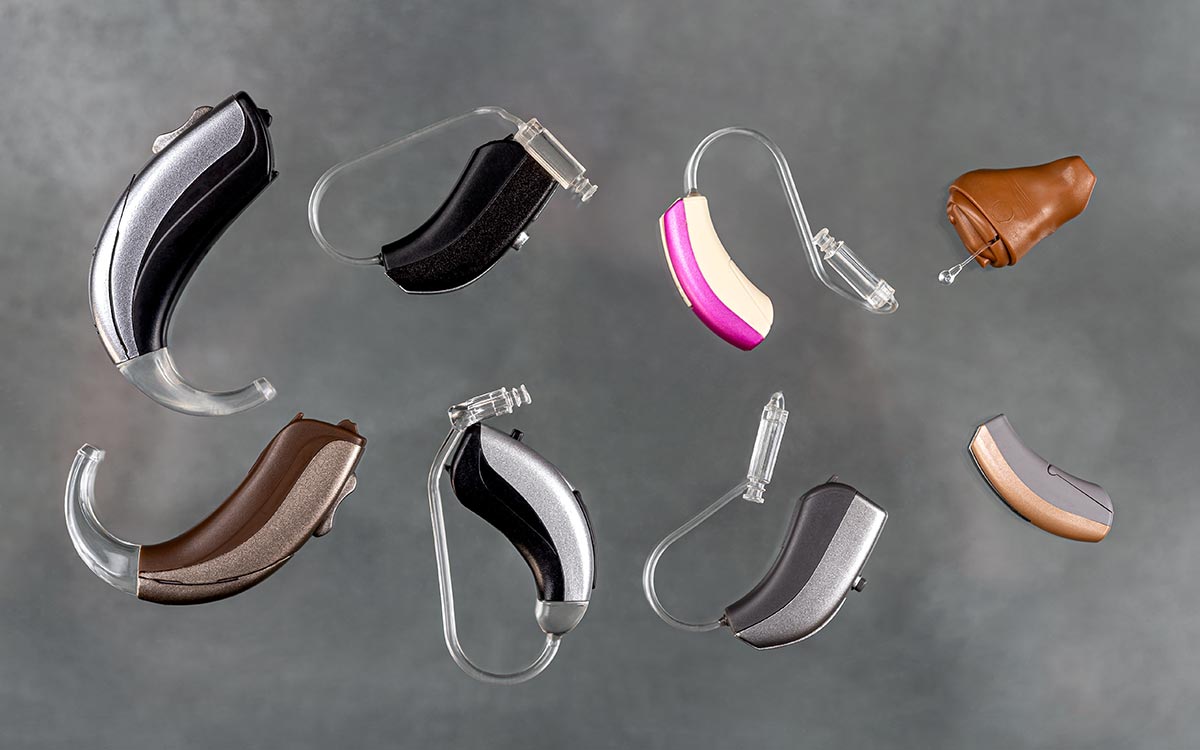
Selecting the right hearing aid can be an arduous task, given the wide array of styles, sizes, and technological features available in modern devices. Rest assured that there is an assistive device tailored to every lifestyle and degree of impairment. The key is merely choosing the one that fits you best.
Feeling positive about your selection begins with knowing how different hearing aids function and compare. This guide examines the most popular styles and highlights the specific advantages each one offers.
Understanding In-the-Canal (ITC) Models
What they represent:
An ITC device is designed to sit partially within the ear canal while showing just an inconspicuous section in the outer ear area.
The Perks:
- Highly discreet than larger models
- Individualized molding guarantees long-term wearing comfort
- Suitable for mild to moderate hearing loss
ITC devices offer a good equilibrium between visibility and functionality, making them an ideal choice for first-time users.
IIC (Invisible-in-Canal) Technology
What they represent:
IIC models are the most miniature custom-fitted hearing solutions you can choose. They are placed deep within the canal to remain hidden from view.
Why they are favored:
- Maximum aesthetic discretion
- Strategic positioning enables an incredibly organic listening experience
- Featherweight and comfortable
The small form factor of IIC models makes them perfect for mild hearing loss and anyone who values an invisible hearing solution.
Understanding In-the-Ear (ITE) Units
Structural Data:
These models occupy either the full or bottom half of the outer ear bowl. The shell is specially molded to the specific contours of your individual ear.
Why people choose them:
- The bigger size makes it possible to include more internal components and longer-lasting batteries
- Provides a more manageable experience for those who struggle with tiny accessories
- Effective for a wide range of hearing impairments, ranging from mild to severe
ITE models are frequently selected by people who want a simple, all-in-one design without behind-the-ear components.
Behind-the-Ear (BTE) Hearing Aids
Summary:
An external hearing aid is worn outside the ear for an optimal fit. Sound travels into the ear canal through an internal tube or custom earmold.
Common Motivations:
- Offers an enduring and flexible solution for various environments
- Effective for nearly every level of hearing impairment
- Offer space for advanced features and rechargeable batteries
If you require a robust hearing aid that is simple to operate and offers high-power output, the BTE style is ideal.
Modern RIC Devices
What they are:
While they match BTE units, RIC aids set the speaker directly in the canal for improved sound delivery.
Why they are popular:
- Known for creating some of the most realistic audio in the industry
- Users appreciate the slim design and comfortable fit for all-day use
- An adaptable choice that works for various degrees of auditory needs
The combination of style and high-end functionality renders RIC models a top choice in the modern market.
Long-Term “Set and Forget” Devices
Operational Info:
An audiologist places these specialized hearing aids deep into the canal, where they remain for multiple weeks.
User Motivations:
- Zero routine insertion or removal
- They are virtually hard for others to notice because of their depth
- Engineered to be worn throughout everyday activities, including sleeping and exercising
For a “hands-off” approach to auditory assistance, extended-wear technology is the top recommendation.
Wireless Smart Syncing
Tech Details:
Connectivity-focused hearing aids that use radio to integrate with your digital life.
Digital Advantages:
- Allows for sharp phone calls and media streamed directly to the device
- Gives you the ability to fine-tune your volume and programs via an electronic app
- Perfectly matched for the needs of a tech-savvy, connected individual
Most contemporary RIC, BTE, and ITC hearing aids now offer an advanced version.
Understanding Middle-Ear Implant Systems
Procedure Info:
Middle-ear implants are specialized instruments that use mechanical vibration to enhance hearing via the middle ear.
Who they are serving:
- Option for people who cannot use traditional hearing aids
- Ideal for users who experience persistent irritation from standard molds
Candidates for middle-ear implants should undergo an exhaustive evaluation by a hearing specialist.
Your Path to Improved Sound
Selecting a hearing aid is an individualized process that takes into account your hearing severity, lifestyle habits, and visual preferences. By consulting a specialist, you can investigate various models and see which one feels most natural to you.
Take the lead for your auditory health by booking an expert evaluation today. This simple action is the basis for improved hearing and better connections with those around you.
Sources:
https://www.mayoclinic.org/diseases-conditions/hearing-loss/in-depth/hearing-aids/art-
20044116
https://www.hearinglife.com/hearing-aids/types
https://www.nidcd.nih.gov/health/hearing-aids