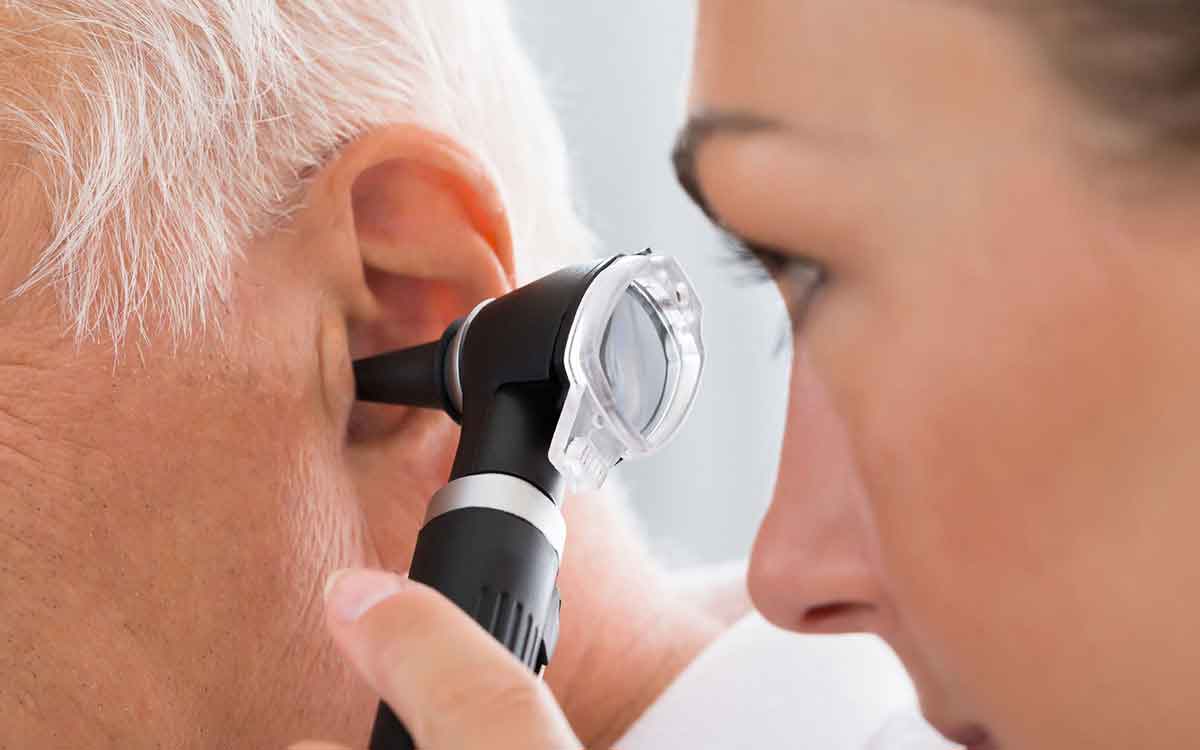
The insidious nature of hearing loss often causes early-stage indicators to be ignored. Many people adjust without realizing it by elevating the TV volume, requesting frequent repetitions, or avoiding noisy environments.
But recognizing the early signs of hearing loss is a priority.
Frequent Indicators of Initial Auditory Decline
If you observe any of the following symptoms, it may be time to schedule a professional evaluation.
- Impaired speech discrimination during social interactions in loud or crowded environments.
- A regular need of requesting clarification during daily interactions.
- Hearing indistinct vocal communication where words appear to merge.
- Turning up the volume on the television and mobile devices to levels that others find excessive.
- Trouble hearing higher-pitched sounds, such as high-frequency vocalizations, birds, or electronic alerts.
- Auditory sensations such as ringing, buzzing, or humming, known as tinnitus.
- Cerebral exhaustion after social events caused by straining to follow speech.
- Retreating from communal environments since following speech feels taxing.
Preliminary indicators of auditory decline might manifest in either one or both ears and fluctuate in frequency initially. Since the auditory cortex adjusts to input shifts, compensatory behaviors often remain hidden until clinical hearing loss is substantial.
Statistical Overview of Global Auditory Health
The World Health Organization estimates that the need for hearing support will impact 700 million people by 2050. Other relevant statistics consist of:
- By 2050, approximately 2.5 billion people are expected to experience some degree of hearing loss.
- Over 5% of the world’s population (430 million people) necessitates rehabilitation to address significant hearing loss.
- More than 1 billion younger individuals are at risk of avoidable hearing loss due to hazardous acoustic habits.
- Among those over the age of sixty, more than one-quarter suffer from clinically significant hearing loss.
Why Timely Auditory Assessment Matters
Neglecting auditory decline can affect systemic well-being and daily wellness.
Research associates hearing loss with increased risks of withdrawal, depression, impairment, and equilibrium problems.
Addressing symptoms early facilitates a broader range of interventions and improved clinical results.
A hearing evaluation helps identify whether changes are due to presbycusis-driven hearing loss, noise exposure, earwax buildup, infection, or another medical condition.
Under certain conditions, hearing changes are transient and reversible.
Alternatively, early use of hearing devices or preventative measures may mitigate further decline.
When to See a Hearing Specialist
You should consider arranging a hearing assessment if:
- Auditory indicators last longer than a few weeks.
- Auditory trouble starts to impact professional tasks or daily activities.
- If you encounter sudden hearing loss, vertigo, or chronic ear ringing (which requires immediate attention).
Hearing evaluations are painless and supply valuable information regarding your auditory wellness.
We encourage you to reach out to our clinic if you feel a hearing assessment would be advantageous.
Frequently Asked Questions: Recognizing Auditory Decline
Q: Are all auditory changes linked to getting older?
A: No, while aging is a factor, hearing loss can be precipitated by acoustic trauma, infection, or systemic health issues.
Question: Are there cases where hearing loss is reversible?
A: In specific instances involving earwax or infection, hearing may be restored. Permanent sensorineural hearing loss is typically managed using advanced hearing devices and management protocols.
Q: At what intervals should I have my hearing evaluated?
A: Adults should have a baseline hearing test by age 50, or earlier if symptoms or risk factors are present.