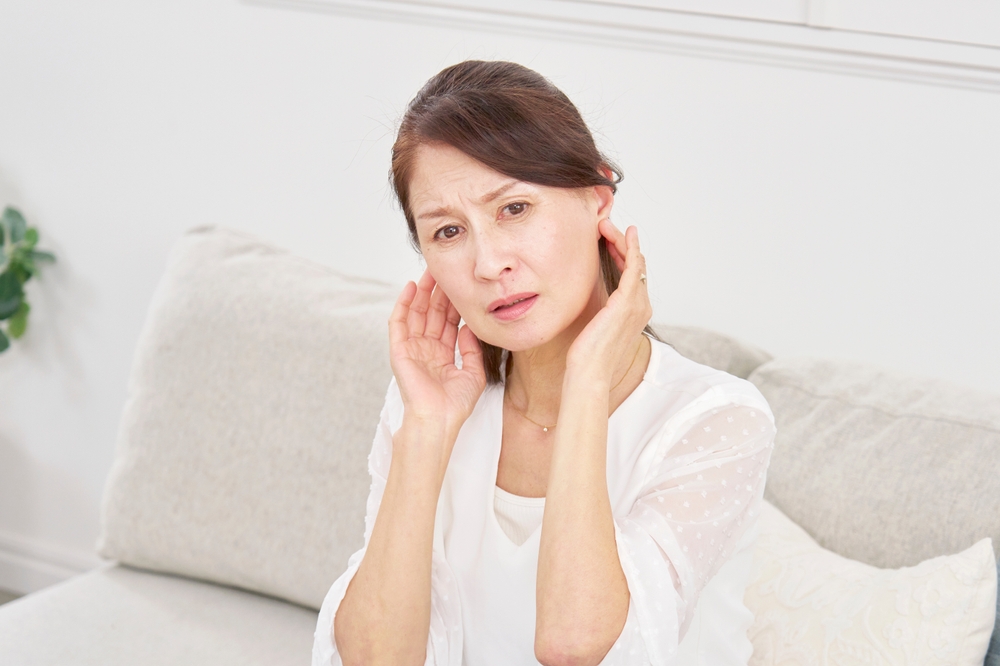
Waking up one morning and realizing you can’t clearly hear is an alarming scenario for anyone. Sudden hearing loss feels sharp and confusing, especially when it happens without advanced discomfort or warning. Though certain triggers are short-term and easy to resolve, others necessitate urgent clinical intervention.
Identifying the typical catalysts for fast hearing loss and acting decisively can profoundly impact your recovery path. Below, we’re looking at sudden hearing loss, possible causes, and how to access professional care.
Defining the Parameters of Sudden Hearing Loss
Sudden hearing loss generally refers to a rapid decline in hearing covering several hours to a limit of three days. The issue frequently strikes a single ear, though bilateral loss is seen in less common cases. Symptoms can range from perceiving muffled noise to experiencing tinnitus, a sensation of aural fullness, or compromised speech recognition.
Identifying Sudden Sensorineural Hearing Loss
SSHL is one of the most critical conditions for an audiologist to investigate quickly.
This auditory issue arises from irregularity within the inner ear, the auditory nerve, or the brain’s processing centers. The source is frequently idiopathic, though medical professionals point to several probable contributing elements:
- Reduced blood flow to the inner ear
- Systemic inflammatory catalysts or autoimmune reactions
- Infection-based nerve disruption
- Complex neurological conditions
Due to the fact that timely therapy can restore hearing function, SSHL is always treated as an immediate medical priority.
Infection-Based Auditory Loss
Specific viral infections can temporarily or permanently affect hearing by swelling the inner ear or auditory nerve.
The following viral conditions are commonly associated with sudden onset hearing issues:
- Standard upper respiratory viruses
- Various strains of influenza
- Herpes viruses
- Potential auditory complications linked to COVID-19
You may notice hearing shifts as a pathogen resolves, often paired with a sense of instability or pressure.
Traumatic Triggers for Hearing Change
Accidental events such as head strikes, barotrauma, or intense noise exposure can compromise the ear’s fragile anatomy.
Common drivers of trauma-induced hearing loss involve:
- Severe brain injuries or concussions
- Sudden pressure changes such as barotrauma
- Sudden blasts of intense noise
- Fluid leaks or shifts within the labyrinth
Small impacts can impact hearing, especially if symptoms appear quickly afterward.
Earwax Buildup or Blockage
While cerumen buildup is typically minor, a significant blockage can trigger an immediate shift in hearing perception.
Symptoms of blocked wax typically:
- Appear over a rapid duration
- Create a clear sensation of aural congestion
- Primarily impact one ear
- Clear up following the safe extraction of the wax
Importantly, it’s not always easy to tell at home whether hearing loss is due to wax or something more serious. This diagnostic ambiguity is why immediate expert care is so important.
Exploring Secondary Triggers for Hearing Changes
Other variables that can influence a sudden drop in hearing include:
- Secondary reactions to certain medications
- Circulatory or vascular conditions
- Systemic autoimmune attacks on the inner ear
- Benign growths impacting the auditory nerve
A detailed diagnostic battery is essential to eliminate these more complex causes.
The Critical Importance of Immediate Intervention
The most crucial takeaway regarding rapid hearing changes is to avoid a wait and see approach.
Fast evaluation can:
- Uncover treatable factors behind the auditory decline
- Enhance the overall success rate of medical interventions
- Prevent further hearing damage
- Minimize the impact on your long-term ability to communicate
Hearing assessment plays a pivotal role in determining the type and severity of hearing loss and guiding next steps.
Criteria for Emergency Audiology Consultation
It is imperative to consult a professional immediately if you notice the following:
- Unexpected deafness occurring in one or both ears
- Auditory shifts paired with a distinct sense of instability
- Buzzing or pressure that appears suddenly
- Hearing loss after illness or injury
Though hearing returns partially, evaluation is still important to find out what’s going on.
Hearing Testing for Quick Answers
Modern testing quickly identifies the specific category of the loss, such as:
- A conductive issue involving the middle ear or auditory canal
- Sensorineural (inner ear or nerve-related)
- Temporary or potentially permanent
Timely testing supports faster treatment decisions and better outcomes.
Prioritizing Your Auditory Health and Peace of Mind
Abrupt hearing changes are understandably frightening, yet prompt action is your best path toward restoration.
Upon noticing an unexpected change in your hearing, getting a professional evaluation can protect your auditory wellness and your peace of mind. Our expert staff is ready to assist you: Please contact our clinic immediately for an emergency assessment.